Discount Power Market for the right Power Rates
A discount power market exists while contending generators offer their power result to retailers. The retailers then re-value the power and take it to showcase. While discount valuing used to be the selective space of huge retail providers, progressively showcases like New Britain are starting to open up to end clients. Huge end-clients looking to remove superfluous above in their energy costs are starting to perceive the benefits innate in such a buying move. Shoppers purchasing Irving Electricity Plans straightforwardly from generators is a somewhat ongoing peculiarity. Purchasing discount power isn’t without its disadvantages (market vulnerability, participation costs, set up expenses, insurance venture, and association costs, as power would be purchased consistently), nonetheless, the bigger the end client’s electrical burden, the more noteworthy the advantage and motivating force to do the switch. For a financially effective power discount market to thrive it is fundamental that various standards are met, specifically the presence of a planned spot market that has “bid-based, security-obliged, monetary dispatch with nodal costs”. These measures have been generally taken on in the US, Australia, New Zealand, and Singapore.
Bid-based with nodal costs
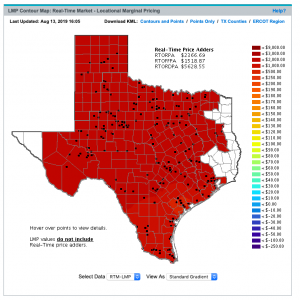
- The framework cost in the day-ahead market is, not set in stone by matching proposals from generators to offers from customers at every hub to foster an exemplary organic market harmony cost, generally on an hourly span, and is determined independently for subregions in which the framework administrator’s heap stream model shows that requirements will tie transmission imports.
- The hypothetical cost of power at every